The collections cared for by the National Library and Archives of Bolivia are the documentary bedrock of the nation. They range from sixteenth-century printed books to the newspapers of the early republic, and from royal provisions to modern periodicals gathered under legal deposit.
The Scope of the Holdings
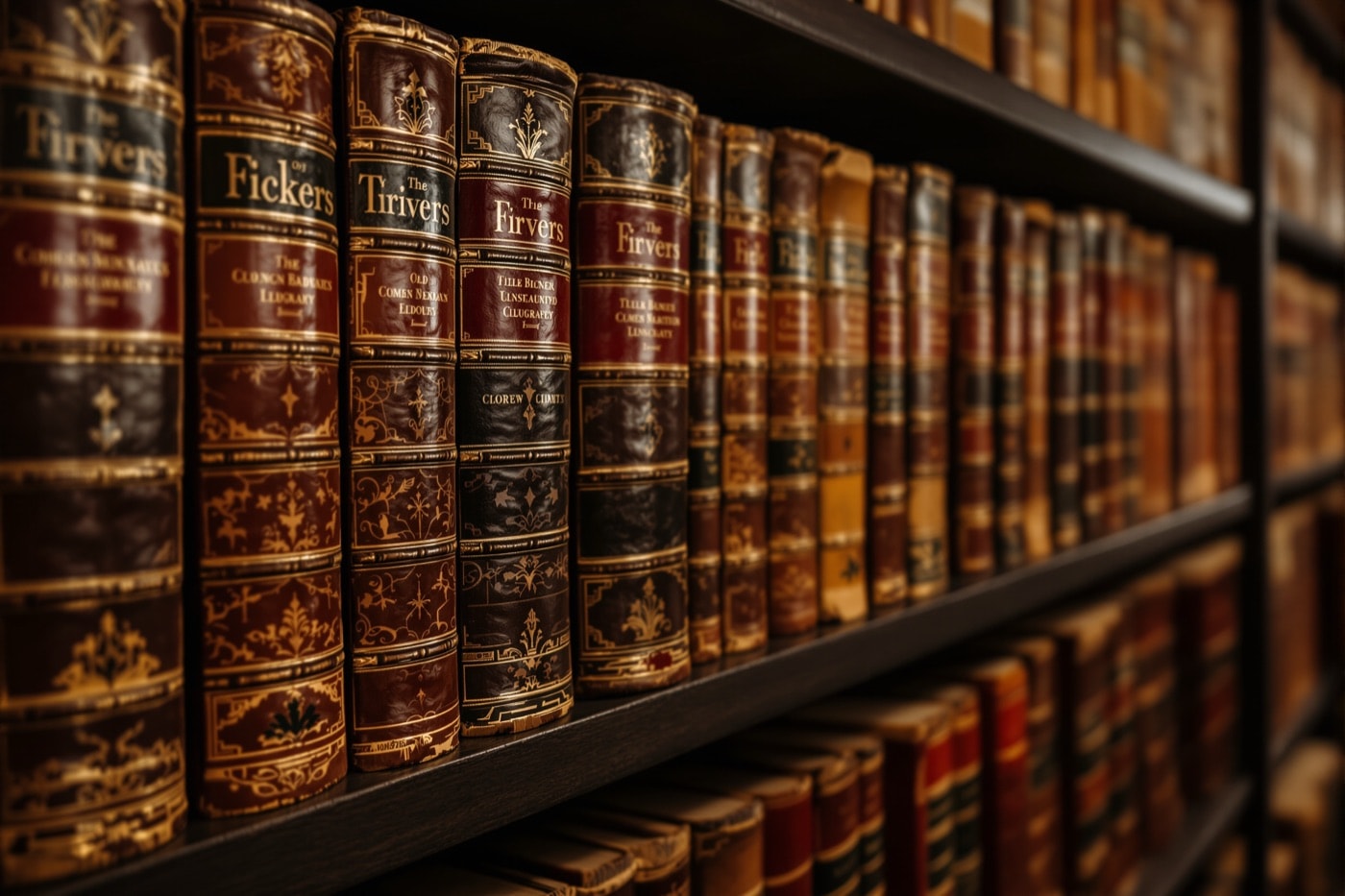
The joint archive and library in Sucre holds on the order of one hundred thousand volumes and, according to figures published by the administering foundation, hundreds of thousands of bibliographic and hemerographic units alongside thousands of linear meters of manuscript documentation. Among the printed treasures are more than a thousand titles issued between 1530 and 1804, spanning theology, philosophy, jurisprudence, and history — the intellectual furniture of the colonial Andes.
The library also preserves what is considered the most complete surviving collection of Bolivian newspapers published between 1825 and 1907. For historians of the early republic, this periodical record is invaluable: it captures the debates, announcements, and everyday texture of a nation finding its footing.
Rare Books and Manuscripts
The rarest materials include early imprints, illuminated and handwritten works, and administrative records that predate the founding of Bolivia itself. The oldest document reported in the collection is a royal provision from the 1540s. These items are consulted under careful conditions, since their value lies precisely in their fragility and uniqueness; you can read more about how such materials are protected on our preservation page.
Part of a National Network
The National Library sits within a wider Bolivian library landscape. Public libraries across the country hold a combined collection of roughly two hundred thousand volumes, and several institutions complement the national holdings:
- The Mariscal Andrés de Santa Cruz Municipal Library in La Paz, one of the country's larger municipal collections;
- The university libraries of the Universidad Mayor de San Andrés in La Paz and the Universidad Mayor de San Simón in Cochabamba;
- Cultural and departmental libraries maintained by government and cultural bodies in the principal cities.
Alongside these libraries, Bolivia's museums preserve the material record of its past — from the National Museum of Archaeology in La Paz to the House of Liberty (Casa de la Libertad) in Sucre, which commemorates the declaration of Bolivian independence. Together, libraries, archives, and museums form the connective tissue of the country's cultural memory.
An Editorial and Reference Tradition
Beyond safeguarding older material, the institution has long supported scholarship through its own editorial line and through a specialized reference library named after the seventeenth-century chronicler Fray Antonio de la Calancha. This reference collection gathers works on Bolivian history, geography, culture, art, sociology, literature, and music — a concentration of national scholarship in a single place. For readers interested in that literary dimension, our page on Bolivian literary heritage explores it further.
Using the Collections Responsibly
Access to national-library and archive materials everywhere is governed by rules that balance openness against preservation. Researchers planning to consult specific holdings should confirm current access policies and appointment requirements directly with the institution; general guidance appears on our visiting information page. This site does not provide catalog access or reproductions and is not a channel to the institution's services.