Reading Rooms and Shelves
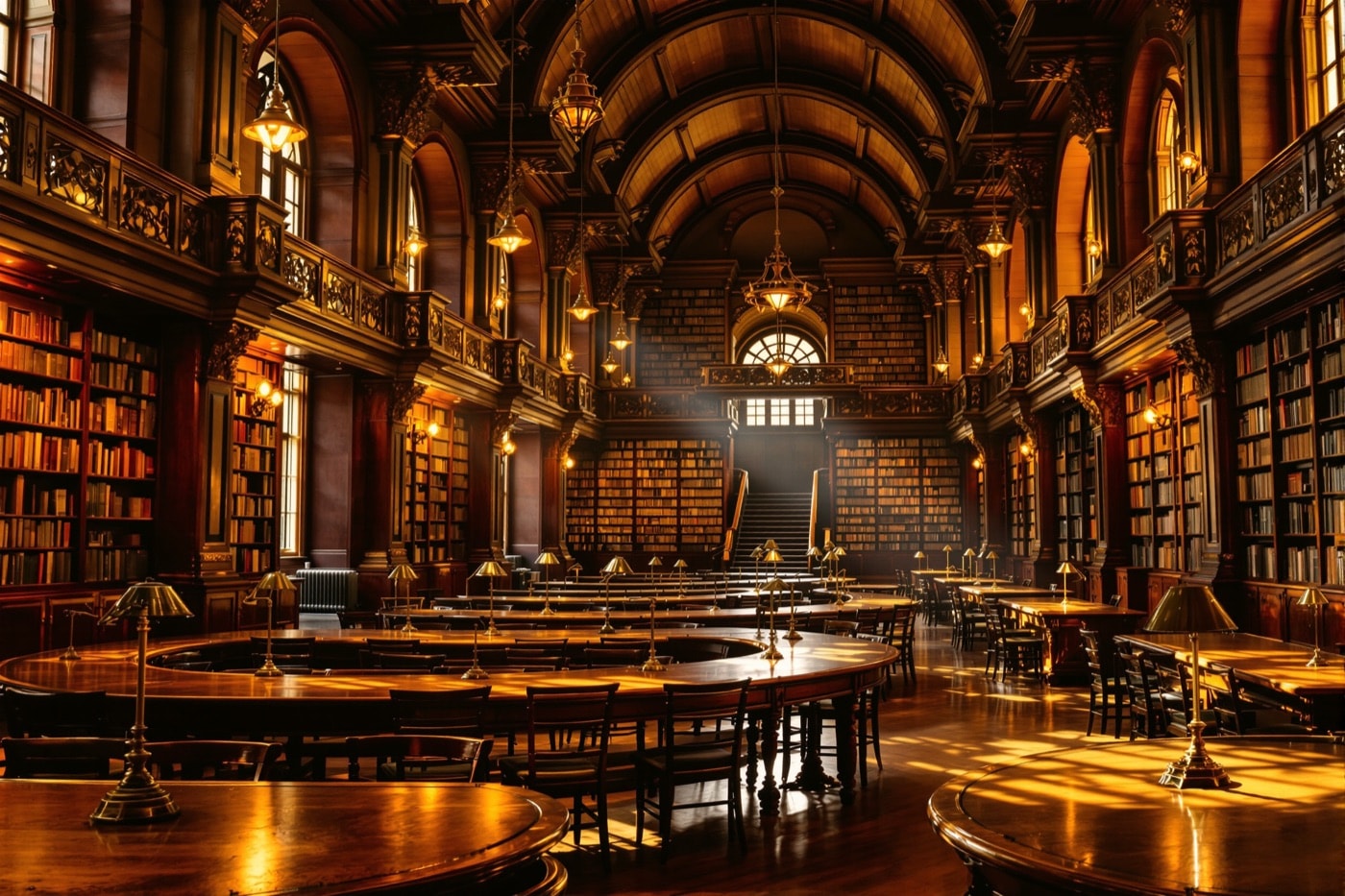
For centuries, the reading room has been the heart of the library — a quiet space where the printed and manuscript memory of a nation meets the researchers who study it. The scenes below evoke that atmosphere of scholarship and preservation: long wooden tables worn smooth by generations of readers, tall shelves crowded with leather-bound volumes, and the particular hush that settles over a place devoted to the written word. It is in rooms like these that the raw material of history becomes accessible to those who seek it.
Documents and Manuscripts
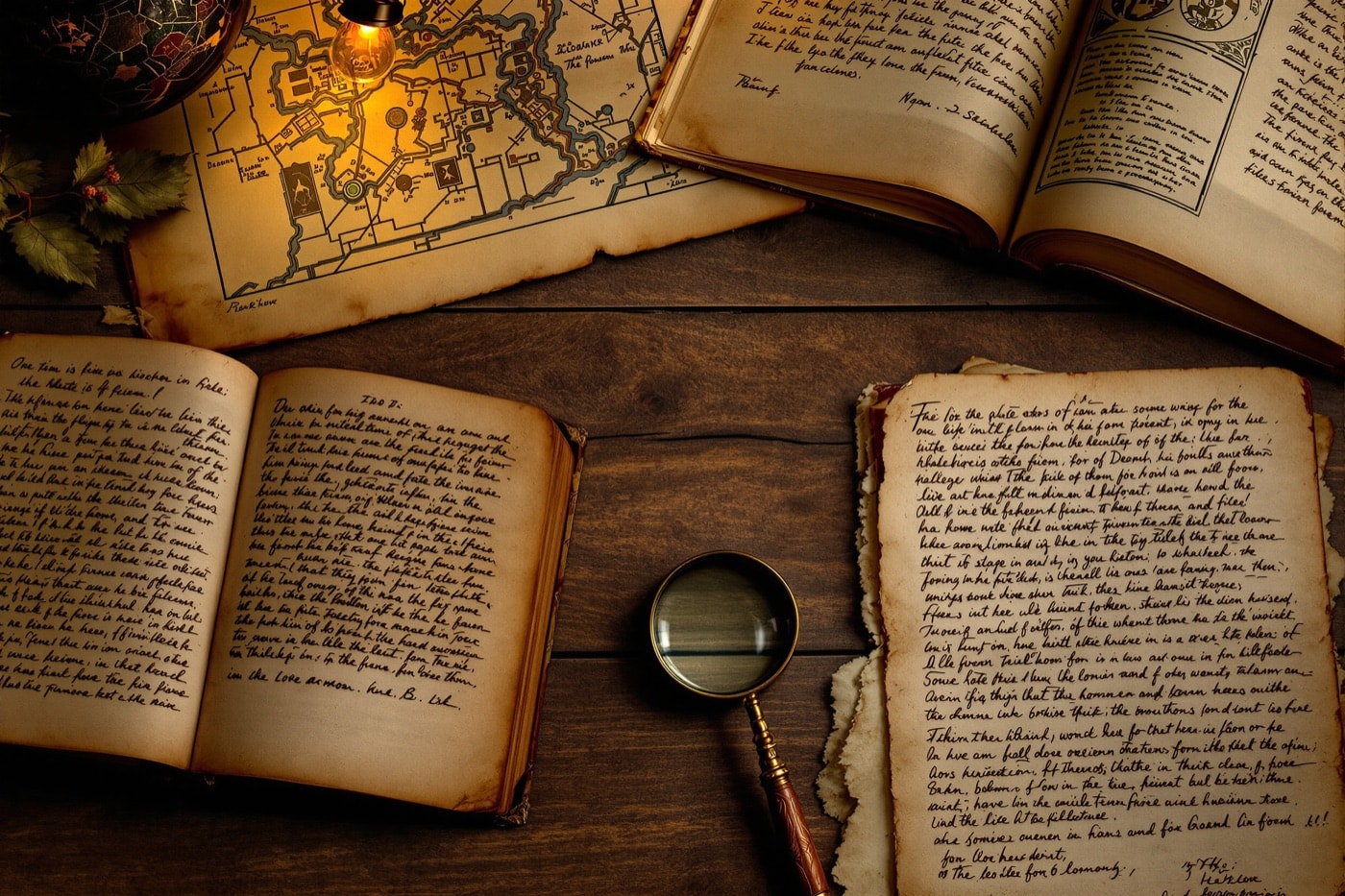
The documentary heritage of Bolivia ranges from sixteenth-century royal provisions to the newspapers of the early republic. These images suggest the fragile beauty of aged paper, ink, and binding that conservators work to protect. Every crease, watermark, and faded line of script is itself evidence — of the hand that wrote it and the world it recorded. To learn what such materials contain, see our collections overview and the National Archive page.
The City of Sucre
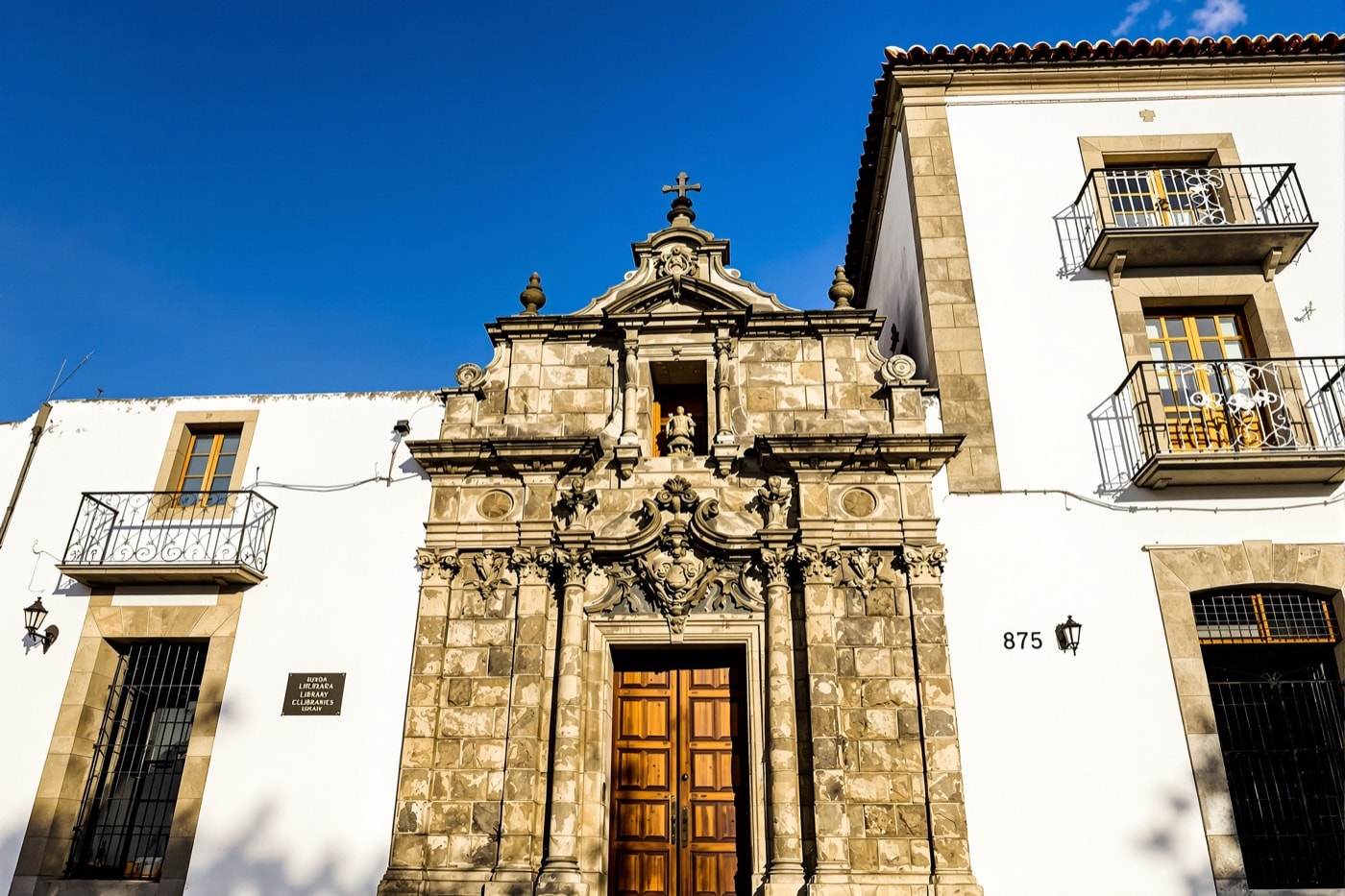
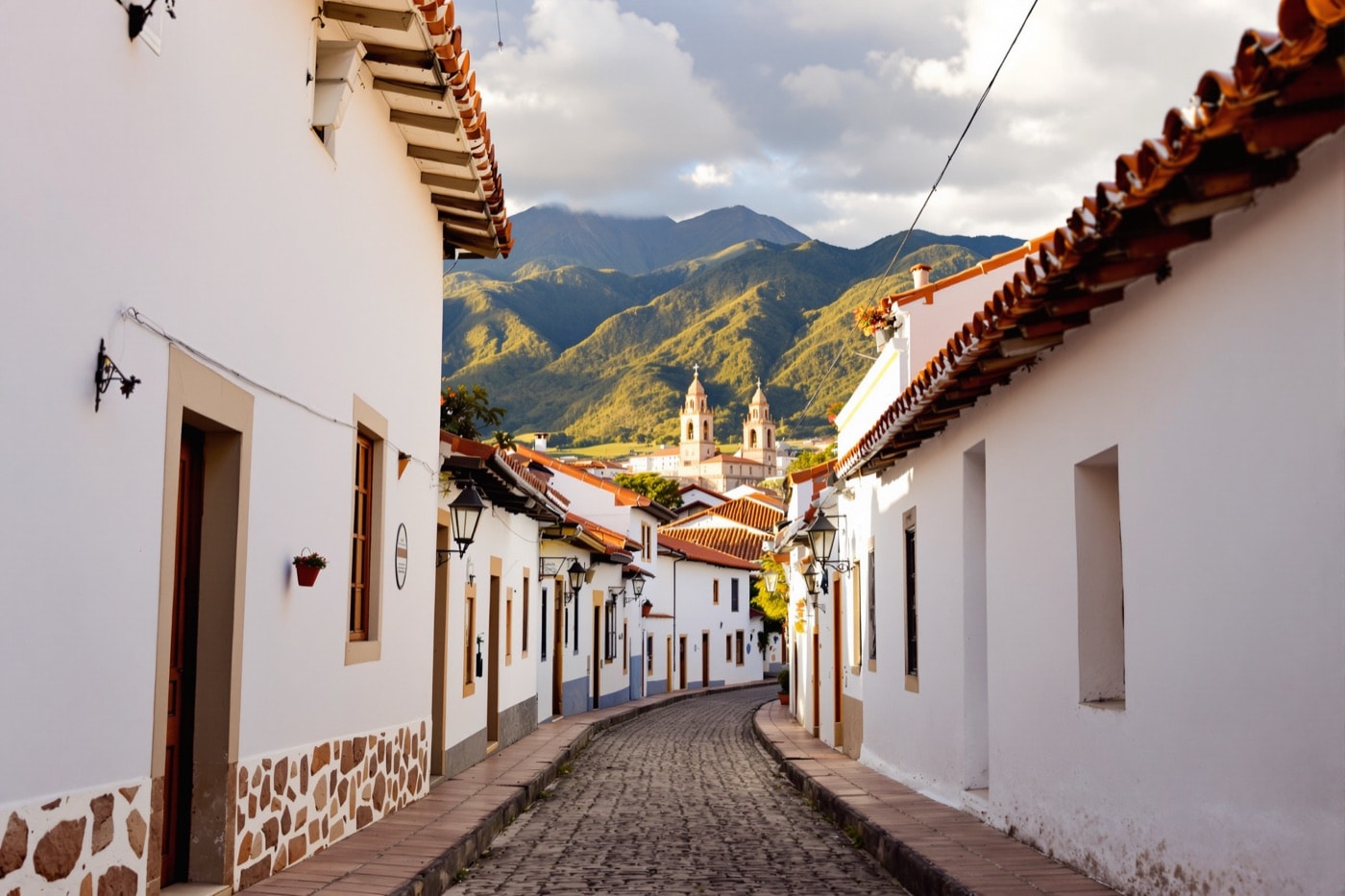
The whitewashed colonial architecture of Sucre forms the backdrop to the institution's work. The city's streets, churches, and squares are themselves a kind of open-air archive of the Andean colonial past. Founded in the sixteenth century and inscribed on the UNESCO World Heritage List, Sucre carries its history in stone as the library carries it in paper. Both are described further on our Sucre heritage page.