Some documents matter to the whole world. UNESCO's Memory of the World Programme exists to identify and safeguard exactly those — the manuscripts, archives, and records whose loss would impoverish the shared memory of humankind. Two documentary treasures connected to the National Library and Archives of Bolivia have earned this recognition.
What the Programme Is
Launched by UNESCO in 1992, the Memory of the World Programme maintains international and regional registers of documentary heritage judged to be of outstanding value. Inscription is not a transfer of ownership; it is a form of recognition and a commitment to preservation and access. For Latin America and the Caribbean, UNESCO maintains a dedicated regional register that highlights the documentary heritage of the Americas.
The Records of the Audiencia de La Plata
Among the Bolivian inscriptions is the documentary fund of the Real Audiencia de La Plata (1561–1825), preserved in the National Archive in Sucre. Covering more than two and a half centuries of colonial administration and justice, this collection is one of the most complete surviving records of how the Spanish colonial world actually operated in the southern Andes. Its inscription confirms that the material safeguarded in Sucre is of global, not merely national, importance. The collection is described further on our National Archive page.
The Diary of José Santos Vargas
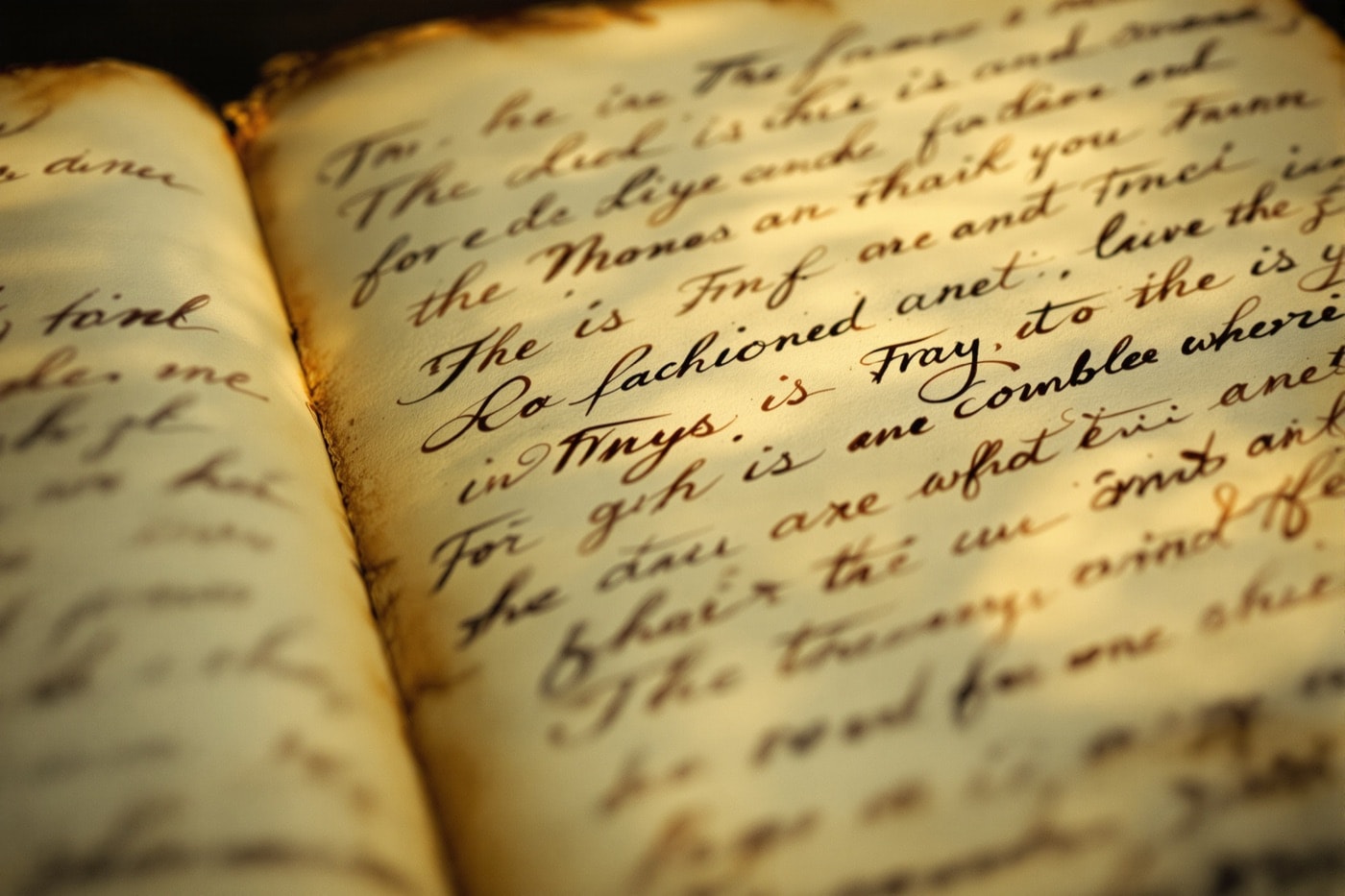
A second, very different treasure is the war diary of José Santos Vargas — known as "Tambor" Vargas — a soldier who chronicled the guerrilla struggle in the provinces of Sicasica and Ayopaya during the wars of independence. His Diario histórico records events from 1814 through the founding of the republic in 1825 and is, remarkably, the only surviving eyewitness account of its kind for that theater of the South American independence struggle.
What makes the diary extraordinary is not only its content but its voice. Vargas wrote in a blend of Spanish, Quechua, and Aymara, capturing the multilingual reality of the Andean world at the moment of independence. UNESCO inscribed the diary on its Regional Register for Latin America and the Caribbean, recognizing it as a unique testimony to a decisive chapter of the continent's history.
Why Recognition Matters
International recognition brings both prestige and responsibility. It draws scholarly attention, encourages digitization and careful conservation, and reminds the public that these are not dusty relics but living evidence of how nations came to be. For an institution such as the ABNB, Memory of the World status underlines the stakes of its everyday work: the material it protects is irreplaceable. You can read more about that work on our preservation and digitization page.