Preservation is the quiet, unglamorous work that keeps a nation's memory alive. Behind every consultable manuscript lies years of careful conservation, controlled storage, and, increasingly, digitization. This page explains the principles that guide that work at institutions like the National Library and Archives of Bolivia.
Why Preservation Is Necessary
Paper, parchment, and ink are mortal materials. Acidic paper embrittles, humidity invites mold, light fades ink, and every handling of an original risks damage. For collections that include documents from the 1540s onward, the challenge is acute: the very items of greatest value are often the most fragile. Preservation seeks to slow this decay and to ensure that what has survived for centuries survives for centuries more.
The Tools of Conservation
Modern conservation combines careful environmental control with hands-on treatment. Core practices include:
- Stable storage environments — controlled temperature and humidity, protective enclosures, and low-light conditions;
- Conservation treatment — deacidification, mending of tears, and stabilization of bindings by trained conservators;
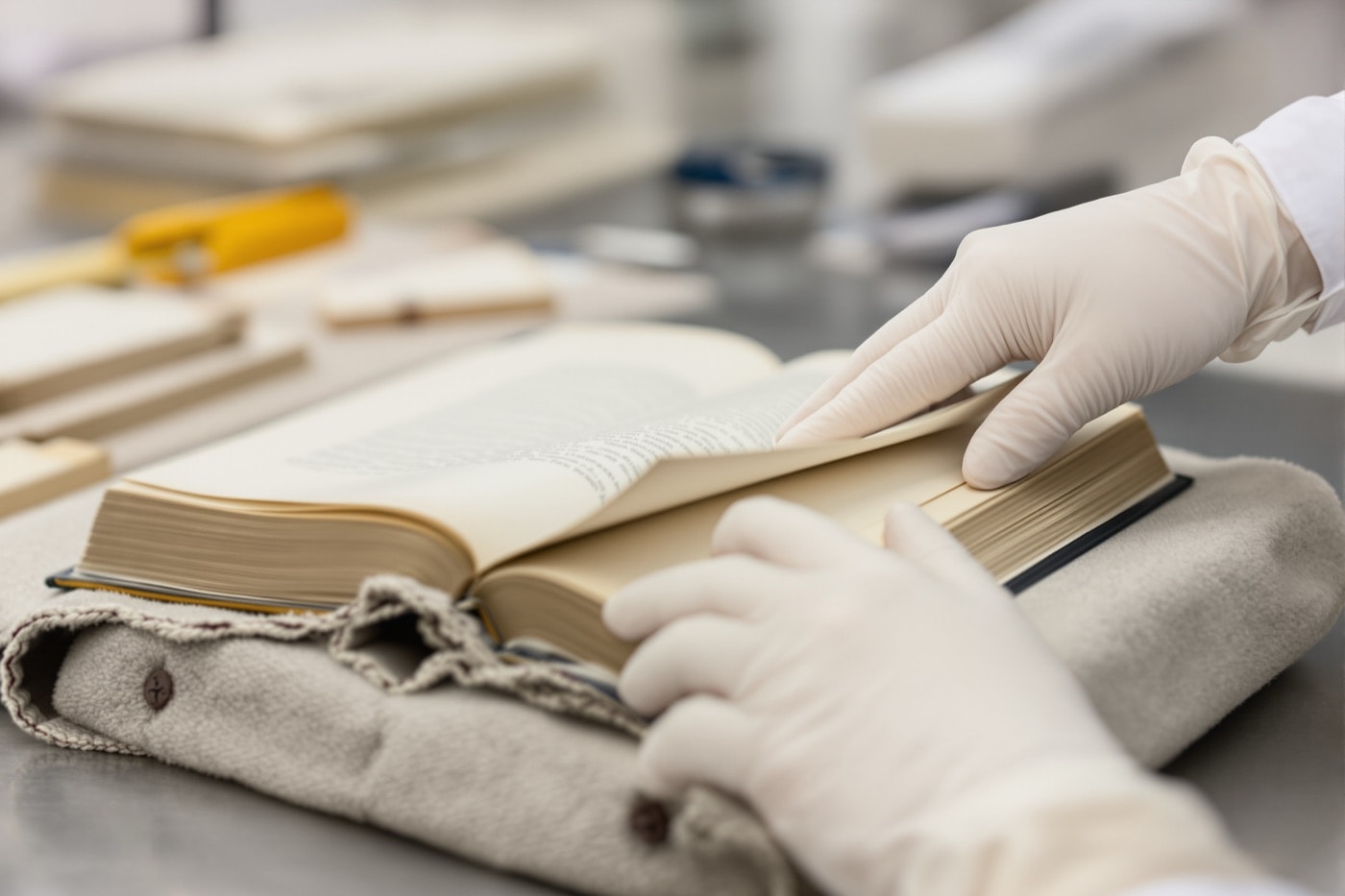
- Careful handling protocols — supervised consultation, supports and cradles for bound volumes, and gloves or clean-hands rules as appropriate;
- Disaster preparedness — planning for fire, flood, and other threats to irreplaceable material.
International bodies such as the International Federation of Library Associations and Institutions (IFLA) publish widely used guidance on these practices, and national institutions adapt them to local conditions and resources.
Legal Deposit and Completeness
A national library's collection is only as complete as the country's legal-deposit system allows. Legal deposit requires publishers to lodge copies of their works with the national library, building a comprehensive record of what a nation produces. Where deposit is inconsistently observed, gaps appear in the historical record — a long-standing concern for the ABNB, which has noted that incomplete deposit has left portions of the nation's published output unrepresented. Strengthening deposit is therefore itself a form of preservation.
Digitization and Access
Digitization has transformed how fragile heritage is used. By creating high-quality digital surrogates, institutions can satisfy most research needs without exposing originals to handling, while also opening collections to scholars anywhere in the world. UNESCO's Memory of the World Programme actively encourages digitization of inscribed heritage, and Bolivia's recognized collections — described on our Memory of the World page — are natural priorities for such efforts. Work to digitize the colonial records held in Sucre has been reported as part of the institution's modernization.
A Shared Responsibility
Ultimately, preservation is a compact between generations. The documents in Sucre reached the present because earlier custodians protected them; keeping that compact is the mission of every archive and library. Readers who wish to support or study this heritage should engage with the official institution directly, as noted on our visiting page.