To understand the National Library of Bolivia, it helps to understand the city that surrounds it. Sucre — Bolivia's constitutional capital and a UNESCO World Heritage Site — is one of the best-preserved colonial cities in the Americas, and its history is inseparable from the documents preserved within it.
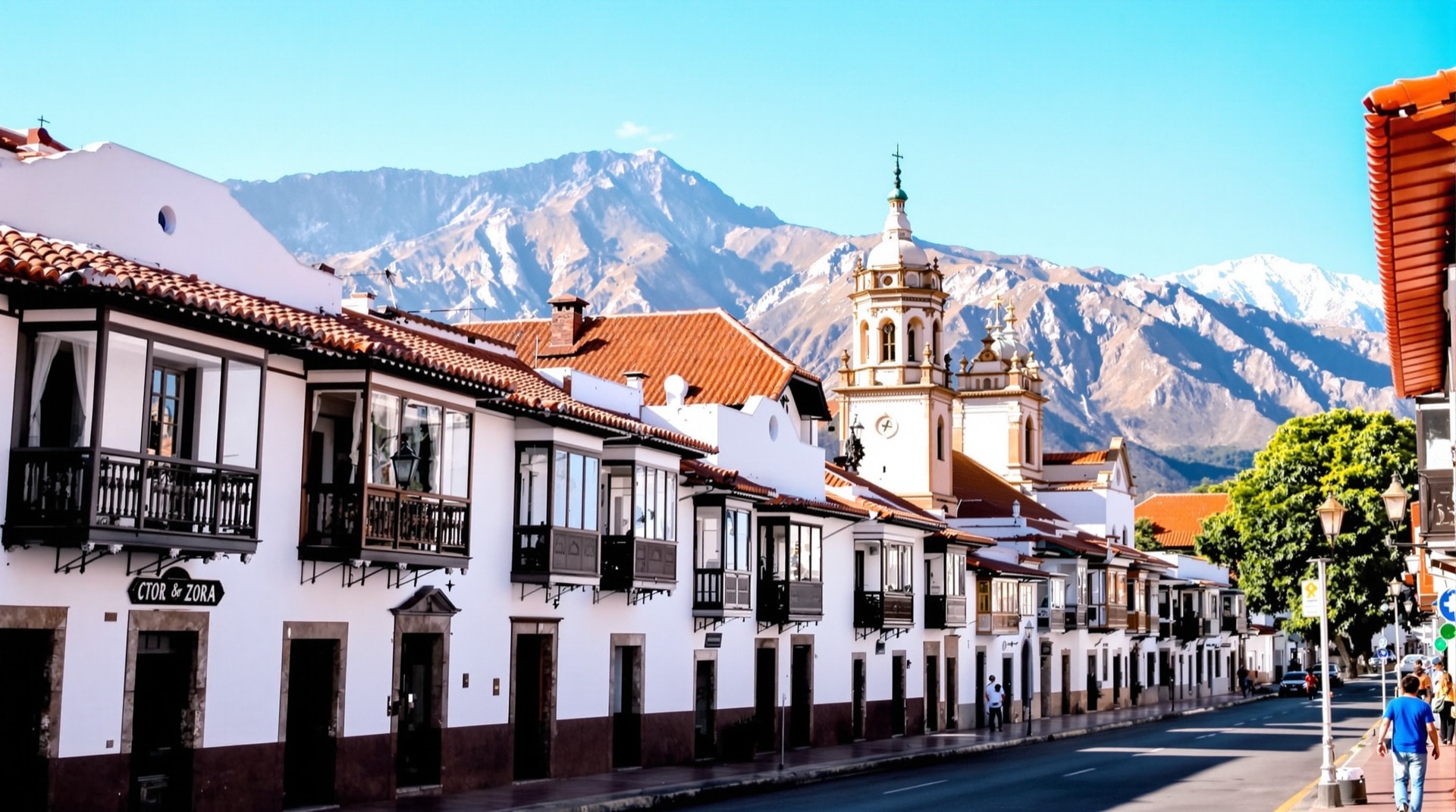
The White City of the Andes
Founded in the sixteenth century and long known as La Plata and then Chuquisaca, Sucre earned the nickname "the White City" for its whitewashed colonial buildings. In 1991 UNESCO inscribed the Historic City of Sucre on the World Heritage List, recognizing the exceptional preservation of its religious and civic architecture from the colonial era.
A Cradle of Independence
Sucre's importance runs deeper than its architecture. As the seat of the Audiencia de Charcas, it was a center of colonial administration and learning for centuries, home to one of the oldest universities in the Americas. It was here, in 1825, that Bolivian independence was declared, an event commemorated in the Casa de la Libertad (House of Liberty) on the city's main square. The records generated by that long history are precisely what the National Archive preserves — a point explored on our National Archive page.
Museums, Libraries, and Living Heritage
The city is dense with cultural institutions. Beyond the National Library and Archives, visitors encounter colonial churches, the university, and museums that together narrate the story of the southern Andes. This concentration is not accidental: cities that were centers of colonial power accumulated the books, courts, and records that later became the raw material of national memory.
Bolivia's Wider Heritage Landscape
Sucre is one jewel in a remarkable national setting. Bolivia holds several UNESCO World Heritage Sites, including the silver city of Potosí, the Jesuit Missions of the Chiquitos, the ruins of Tiwanaku, and the historic town of Sucre itself. The country's natural wonders — Lake Titicaca, the Salar de Uyuni salt flats, and the Andes — draw travelers from around the world. For general background on the country, the Encyclopaedia Britannica offers a reliable overview.
Visiting the City Respectfully
Travelers drawn to Sucre for its heritage can enrich their visit by understanding the documents and collections the city protects. This site offers background only; anyone wishing to visit the National Library or Archives should consult the institution's official channels for hours, access, and any public programs, as summarized on our visiting page.